Study suggests sleep may be more vital to long-term health than exercise
New research suggests that bailing on a workout due to a poor night's sleep might actually be the best decision you can make for your long-term health. A large global study is challenging the common assumption that regular exercise is the number one way to stave off long-term health issues. In...
Current in Science

China unveils plan to find a habitable ‘second Earth’ outside the solar system
The nation just unveiled its five-year plan to find habitable exoplanets in nearby star systems. China has come up with its 15th five-year plan, extending from 2026 to 2030. The new plan aims to boost domestic demand, mainly by raising living standards, expanding social security, education, and health care...

Cambridge brain study says adolescence may last into our 30s
There may just be a scientific reason behind feeling like a teenager in your 20s. In fact, a University of Cambridge brain study suggests that the ‘adult brain’ may not activate until our 30s. If you’re in your late 20s - or even early 30s (cough) - and still mentally...
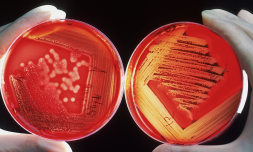
Is menstrual blood the future of female healthcare?
How ‘femtech’ startups are using groundbreaking tests to overhaul a systemically misogynistic healthcare system. Despite around 800 million people experiencing a period on any given day, very little is known about menstrual blood. The history of menstruation is itself a fraught story – women and those who menstruate have been...

Orca observations continue to astound scientists
Still feared as ruthless predators, orcas have emerged as one of the most intelligent and socially complex species on the planet, continually challenging scientists’ understanding of marine life and cognition. Ancient mariners, especially those speaking Spanish, were often astounded by creatures that looked like dolphins, killing whales that were twice...

Earth gains another quasi-moon that will stay until 2083
The moon gains company once again, this time for the next 58 years. Our moon, that was formed 4.5 billion years ago, has been with us since long before there was any life on Earth. Now, it seems that our planet has gained a new friend, that scientists have classified...


Mini brain cells could be used to power future computers
The technology is said to consume far less energy than traditional computers, and a Swiss company has made them accessible to researchers worldwide. With energy consumption being a prime driver of climate talks, the constant advancements in computers pose a significant issue to the environment. Modern silicon chips that are found in computers consume so much energy to the point that vast cooling systems are needed to manage the heat....

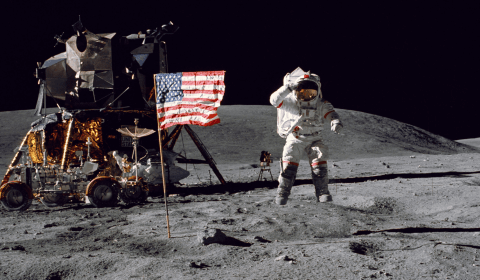
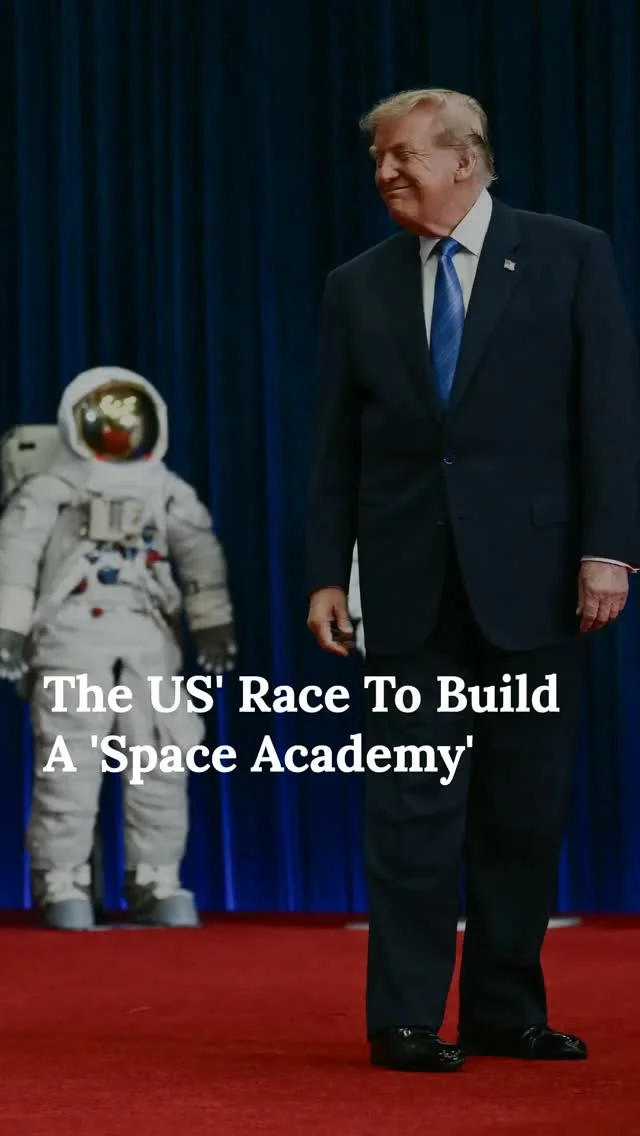
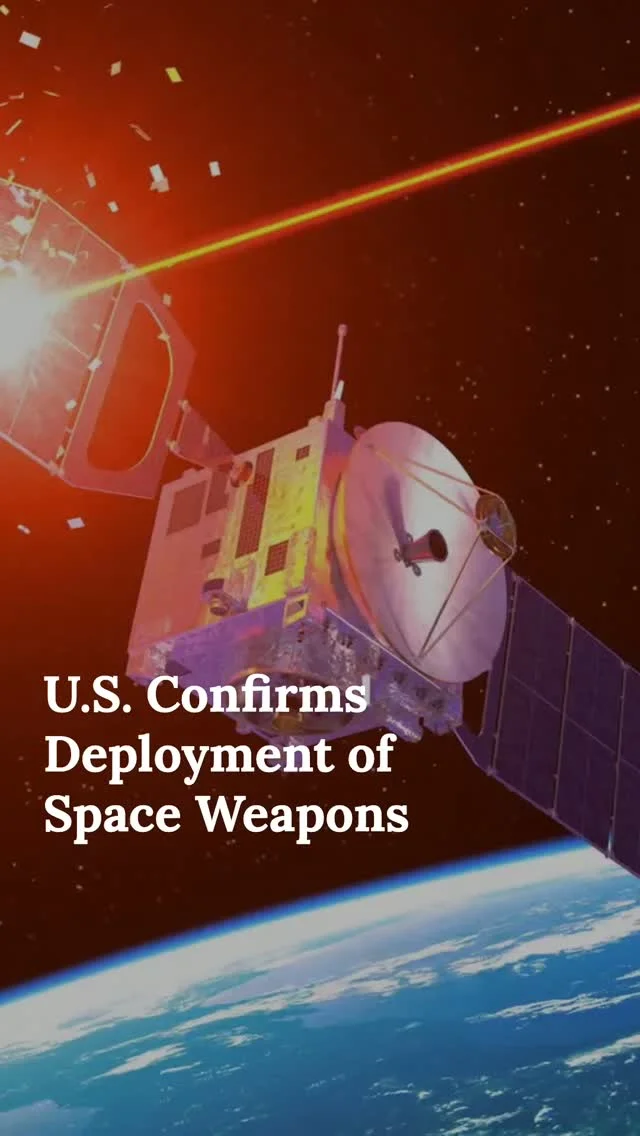
The US Moon mission could worsen geopolitical tensions
The US is fast-tracking the development of lunar nuclear reactors to establish operational keep-out zones, which, while not legally binding, could effectively limit the lunar activities of other nations. Building a base on the Moon is no easy feat. One would need to factor in transportation, manpower, and most importantly, a reliable source of energy. Hence, the best bet right now for a dependable lunar power source is nuclear energy. NASA...
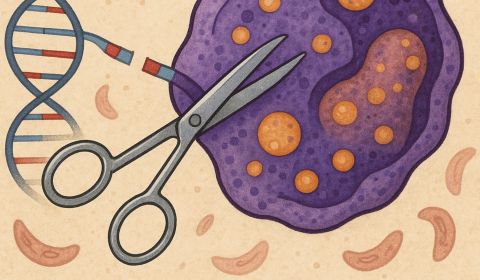
Scientists edit mosquito gene to impede spread of malaria
This isn’t the first time a mosquito’s gene has been tweaked to prevent the spread of disease. However, it is one of the few solutions that saves both mosquitoes and people alike from malaria. The world-renowned CRISPR-Cas9 gene editing tool has once again put its mind-blowing capabilities to use. This time, its purpose was to come up with a solution to potentially prevent the countless malaria outbreaks that currently plague...
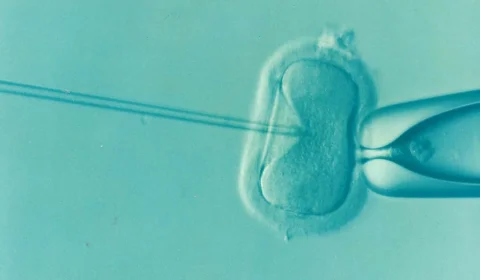
UK treads genetic grey area with three-person IVF milestone
The deliveries of eight infants in the UK via a three-person IVF technique have astonished the world. Nonetheless, its connection to a largely prohibited type of genome editing has raised concerns among the scientific community. Science has once again expanded its frontiers in a landmark procedure that conceived babies via IVF through the DNA of three people. If you feel that this contradicts the fundamentals of conception that we were...